

Few interventions in the field of occupational health and safety have proven as consistently effective as well-designed workplace signage. Across industries ranging from heavy manufacturing to construction, the presence of clear, compliant and strategically placed workplace safety signs has played a measurable role in shifting how workers perceive and respond to risk. Understanding that history (and the real-world lessons that have emerged from it) offers valuable guidance for any organisation serious about accident prevention.
In brief
- Strategically placed and compliant safety signage has been a consistent and effective method for reducing workplace accidents across various high-risk industries.
- The evolution of safety standards, from early 20th-century language-inclusive signs to the modern ANSI Z535 series, reflects a growing need for standardized and clear visual communication.
- Digital safety signage and LED displays offer significant advantages over static posters by providing real-time alerts and maintaining employee engagement through vivid imagery.
- Effective workplace safety programs require addressing practical issues like sign legibility, proper positioning within sightlines, and ensuring content is available in the primary languages of the workforce.
- Customizable signage solutions allow organizations to tailor safety information to their specific operational layouts while maintaining adherence to regulatory standards.
- Beyond simple instruction, consistent and high-quality signage signals a leadership commitment to worker well-being, which helps foster a deeper culture of vigilance.
- Organizations that view safety signage as a strategic investment rather than a bureaucratic obligation are better positioned to mitigate risks such as night-shift fatigue and workplace injuries.
How safety signs have reshaped hazard awareness across industries
The Role of Clear Visual Communication in Preventing On-Site Incidents
The relationship between visual communication and workplace injury rates stretches back well over a century. As early as 1914, safety authorities were advocating for the use of DANGER signs displayed in workers’ own languages, recognising that language barriers posed a significant obstacle to hazard awareness. This early commitment to accessible signage laid the groundwork for what would eventually become a sophisticated, standardised system of safety sign standards.
By 1941, formal standards for signage design had been published, establishing consistent colour coding, typography and symbol use across workplaces. These standards remained the benchmark for nearly five decades before evolving industry needs prompted the introduction of the ANSI Z535 series in 1992. Since then, safety regulations governing signage have been revised approximately every five to six years, reflecting new communication methods and the growing complexity of modern work environments. In 2007, the standards were further aligned with international formats, ensuring that industrial safety standards could be applied consistently across global operations.
From Manufacturing Floors to Construction Sites: Where Signage Makes the Difference
The impact of structured workplace safety protocols becomes particularly visible in high-risk environments. In sectors where workers face constant exposure to machinery, chemical hazards or elevated work areas, the presence of clearly positioned signs serves as a continuous, passive reminder of best practice. Research in the broader field of safety communication confirms that static posters and poorly maintained signs tend to fade from workers’ awareness over time, a phenomenon that underscores the importance of investing in signage that genuinely commands attention.
This is where digital safety signs and LED safety messaging have begun to make a notable difference. Unlike traditional printed notices, digital safety signs can display real-time alerts, update instantly when conditions change and use brightness and vivid imagery to maintain employee engagement with safety content. Posting live statistics (such as the number of days without a lost-time incident) on such displays has been shown to reinforce safe behaviours through positive reinforcement, turning abstract targets into visible, shared achievements.
Lessons learnt from workplaces that prioritised safety signage
Practical Changes That Followed the Introduction of Structured Sign Systems
Workplaces that have committed to reviewing and overhauling their signage programmes tend to identify several recurring patterns. Among the most commonly cited findings from compliance audits are signs that have become illegible through wear, notices positioned outside the natural sightline of workers and the absence of signage in languages spoken by a significant portion of the workforce. Addressing these gaps does not merely tick a regulatory box, it fundamentally alters how workers interact with their environment.
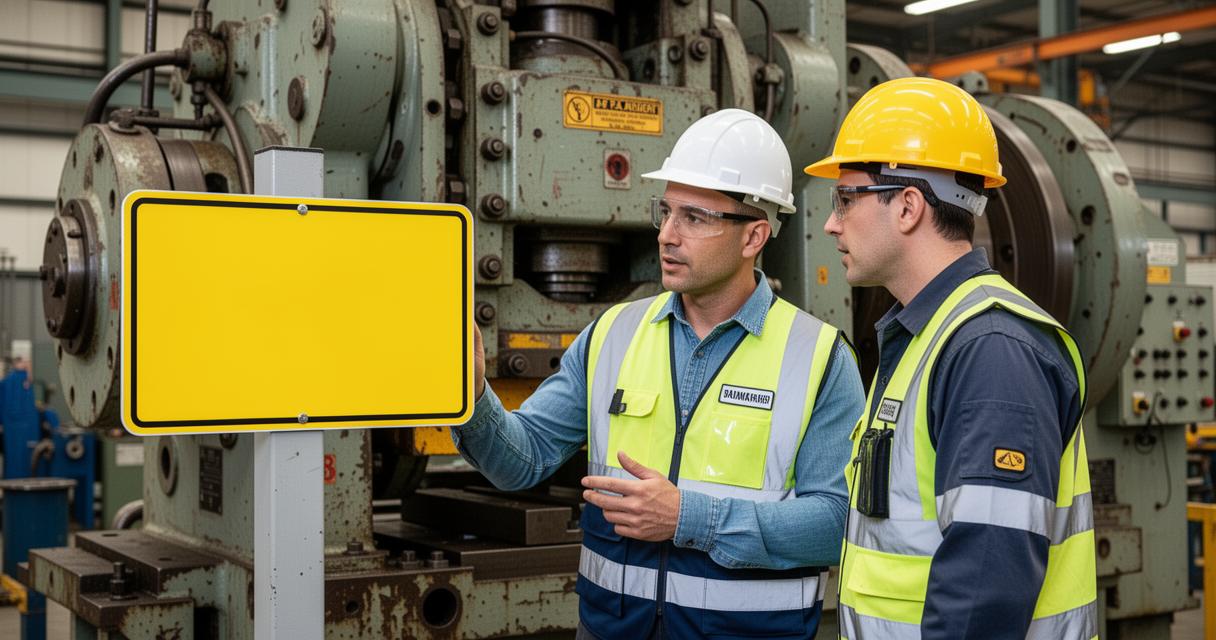
The accessibility of custom safety signage has improved considerably in recent years, thanks to advances in digital technology and online design tools. Organisations can now produce signs tailored to their specific site layouts, operational procedures and even regulatory requirements, whilst incorporating logos and other identifying details. Third-party compliance audits are widely recommended as a means of ensuring that these bespoke solutions meet the relevant safety sign standards and deliver genuine improvements in workplace injury prevention.
Building a Culture of Vigilance Through Consistent and Compliant Signage
Perhaps the most significant lesson from workplaces that have prioritised signage is that the physical sign is only part of the story. The deeper transformation comes when workplace safety technology and safety communication methods are woven into the everyday culture of an organisation. When workers encounter consistent, well-maintained and clearly worded signs at every turn, the message they receive is not merely instructional, it signals that leadership takes their wellbeing seriously.
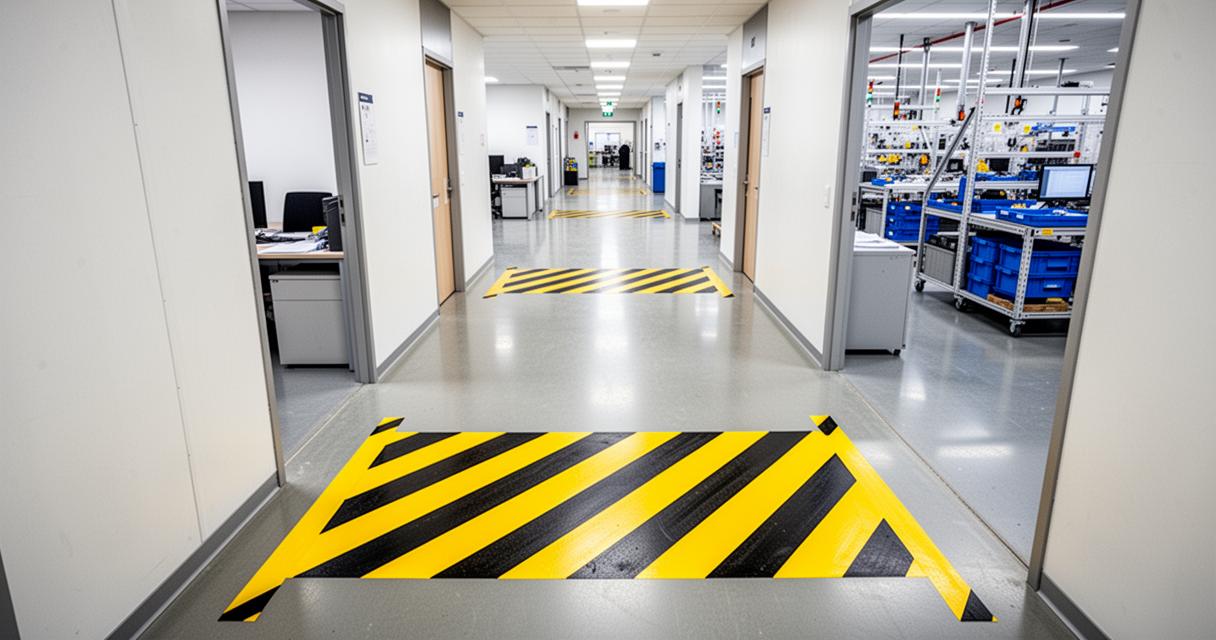
This cultural dimension is especially important when considering groups at elevated risk. Night-shift workers, for instance, face considerably higher rates of workplace injury than their daytime counterparts, making real-time safety alerts and high-visibility signage particularly valuable during those hours. Similarly, fatigue-related incidents represent a substantial drain on productivity and wellbeing across the workforce, and targeted signage addressing fatigue management has a role to play in mitigating that risk.
Ultimately, the trajectory of OSHA compliance and workplace safety more broadly points in one direction: towards smarter, more responsive and more personalised approaches to hazard awareness. Whether through the adoption of LED safety messaging, the commissioning of custom safety signage or the routine scheduling of third-party audits, organisations that treat signage as a strategic investment rather than a bureaucratic obligation are best placed to protect their people and sustain a genuinely safe working environment.